Regarding the points about development speed, AI usage, transparency, and the overall state of the engine, let me clarify:
Adding features quickly is definitely a double-edged sword. Yes, the project timeline may seem short, but we’re consistently putting in long hours of work daily. Both manual development and AI-assisted coding are used, but nothing is taken “as is”, everything goes through review, testing, and validation before being included.
Of course, bugs are expected. That’s true for any engine. The important part is the process. We test internally, and real users help reveal edge cases we can’t always catch alone. That’s how systems mature over time. We are actively working to reduce risk and improve quality with every iteration.
About AI specifically, it’s a tool, not a replacement. It can introduce mistakes, which is why continuous review, refactoring, and system validation are essential parts of our workflow.
On transparency, the systems are not just “plugged in” from random sources. They are built natively into the engine, primarily on top of technologies like Three.js, with extensions and modifications to the core, including rendering and lighting. At the same time, like any modern engine, we rely on standard techniques such as Web Workers for multithreading, FSR, NavMesh, and similar approaches. That’s normal in any serious development environment.
Regarding whether this is production-ready or experimental, the engine is usable and can produce real results, as shown in demos and tests. At the same time, we are realistic. It is still evolving. You can consider it a usable beta, not just a concept, but also not a finished, final product.
For documentation, you’re absolutely right. This is an area we are actively working on. We plan to improve it through written docs and video tutorials, and build stronger support around the engine.
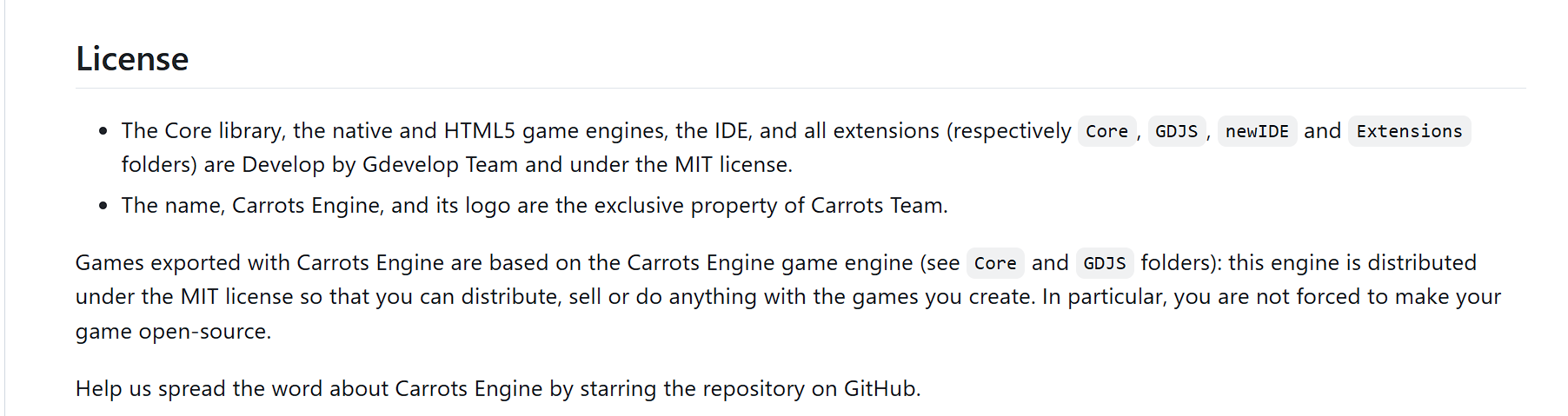
As for comparisons with GDevelop, it’s not about better or worse, but different trade-offs. For example, we provide full 3D capabilities, which naturally adds complexity. On the other hand, we remove certain limitations like paid features such as splash screen removal, which comes with its own pros and cons.
There is no perfect engine. Every tool makes trade-offs.
If you’re open to it, try the engine and share specific feedback. That’s what truly helps us improve, and contributors who help identify issues or suggest improvements will always be appreciated.